
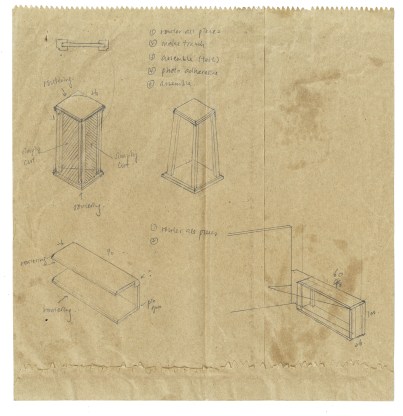
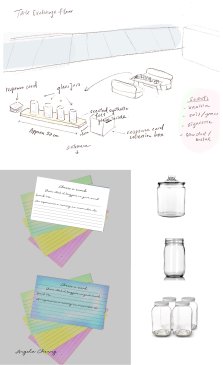
Distorted display furniture with photographic documentation of the crafting process inside will occupy the floor space of the setting.
full of breadcrumbs.
Distorted display furniture with photographic documentation of the crafting process inside will occupy the floor space of the setting.
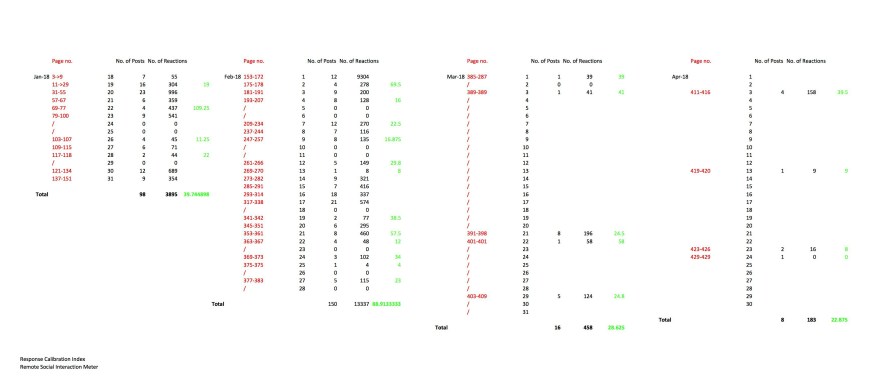
The ‘Response Calibration Index’ (RCI) reflects the level of affectiveness imposed by social media contents to its users. In each of the day recorded, the higher the index, the more fluctuate the emotion undergone by the social media users.
*This calculation method is developed during the research for my studio project.


Mockups (Japanese, kettle stitch and perfect binding) for ‘only those we’ve encountered, existed.’ (2018)
Tried different binding methods and grids for the book and decided to use kettle stitch binding. Tracing paper will be used for the session starter pages as a hint on how emotion react with the contents.
Who Are The Artists? Thinking Of Identities (Personal Struggle on refusal to regard me as an artist) (Psychological Change in facing own identities and through constructing new identities)
Attempt To Override Embedded Values In Jewellery (Success? Should We override or should we use it as a tool?)
Soul Bank: An Idea to uphold Equality of Identities with Jewellery
Conversation As A Way Of Research (Describe and show the outcomes of my attempt to collect story; Psychological aspect to try)
Story Telling as Art Practice (Soul Bank and my literary practice are all storytelling, my previous works as well) (Visual Presentation in Story Telling, e.g. The colour coding system)
Art and Technology: Online transaction, 3D printing, Social Media, and their relation to Storytelling
Recording Daily Activities As A Way Of Research (Social Media story and the most used words, emotions, feelings)
Recurring Social Media Contents (during book making process): A process in Facing Traumas (from social events) & Concretising Memory
Social Psychology and Emotion Recognition: Parkinson, Brian. (2008). Emotions in direct and remote social interaction: Getting through the spaces between us. Computers in Human Behavior. 24. 1510-1529. 10.1016/j.chb.2007.05.006.

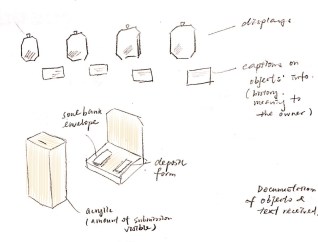
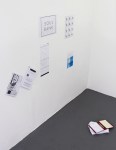
The setting shows my project idea development and documentation of the ‘making’ by eliminating materials, removing features, reducing the prominance of objects and thier identities. In the next final show, I will focus on a display of objects as the conclusion of my development.

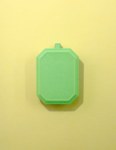
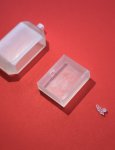
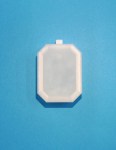
It was four years ago when I first work with 3D printing and scanning. It has been developed into a widely applied technology with a range of materials available to choose from. These are actually better than I expected, and I would probably apply the translucent quality in my upcoming project.
Sculpting in virtual world is surreal. I think traditional craft people would definitely be inscure doing this. I remember having a discussion in IP class about whether 3D files (materially a bunch of source codes) are considered as computer programs? Sculptures? Literature? or…



 Hare out of (its) cave